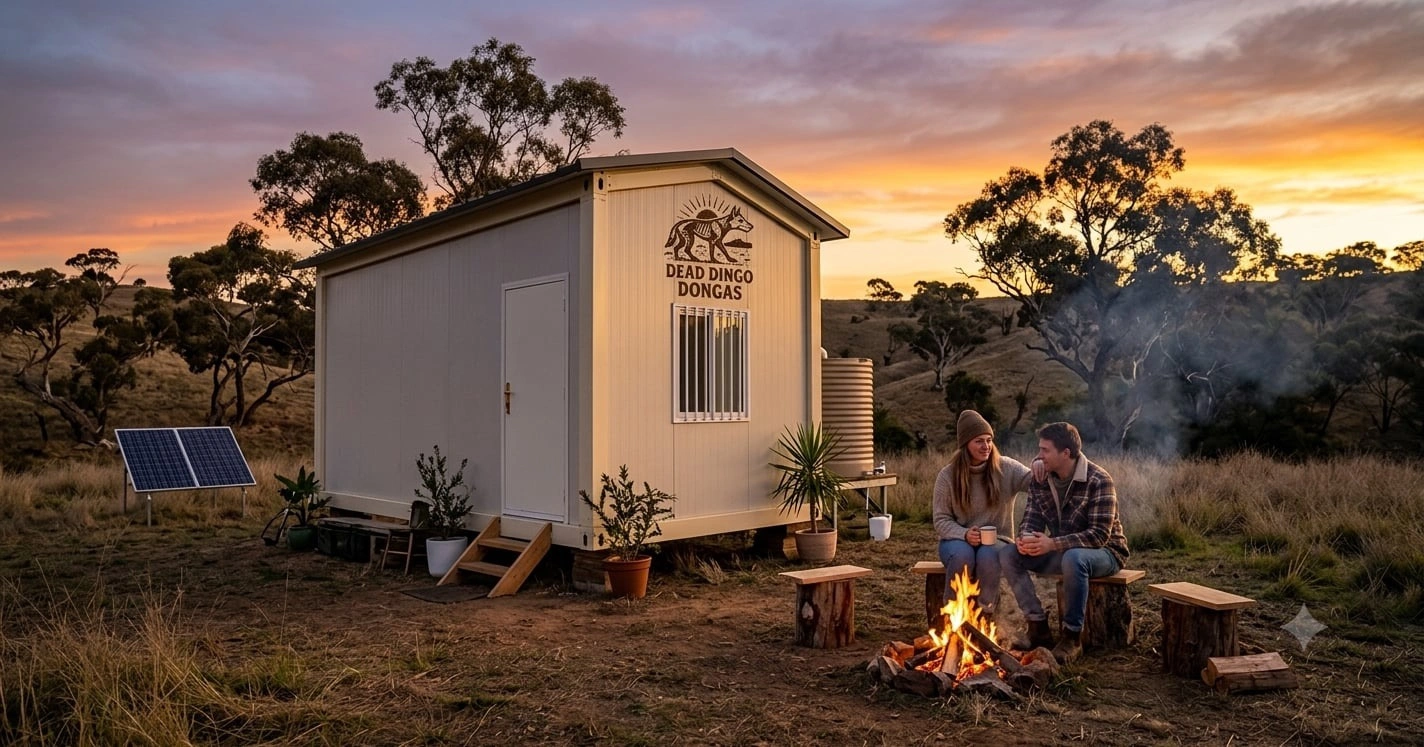
Donga Shed vs Granny Flat vs Traditional Shed in NSW
Slab-free dongas vs council-approved granny flats vs traditional slab sheds - compare real upfront cost, approvals, site prep and lead time in NSW.
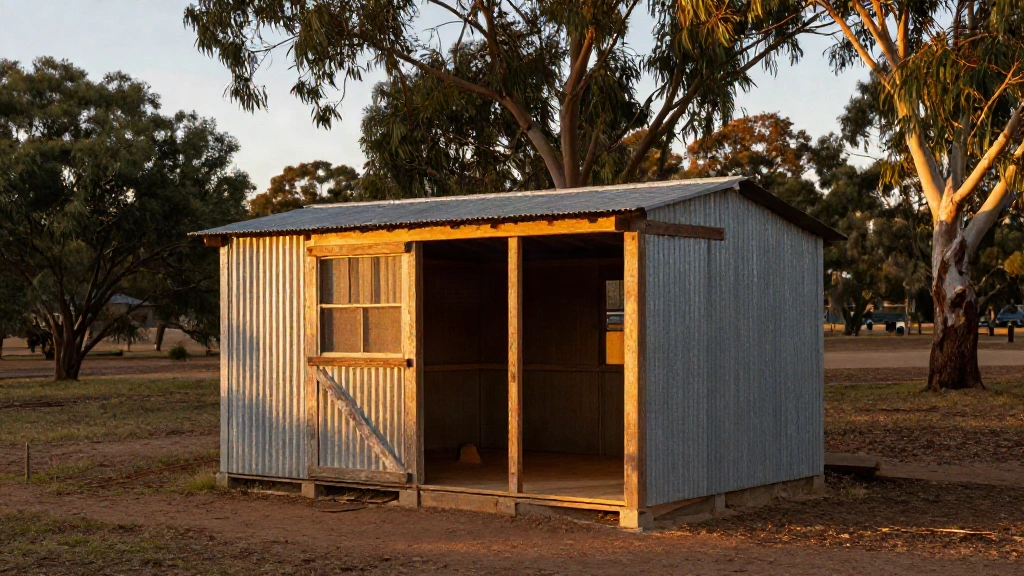
Donga Shed vs Council-Approved Granny Flat vs Traditional Shed: What Actually Costs Less in NSW?
If you want a backyard workshop or somewhere to lock the tools up, three options come up again and again: a donga shed, a council-approved granny flat, or a traditional shed on a concrete slab. They look similar on a Pinterest board. They are nothing alike on your bank statement, your timeline, or your weekend.
Let's cut the fluff and compare them straight. Cost, approvals, site prep, insulation and lead time - then you can do your own sums.
The three options, in plain English
Dongas are transportable, heavy-duty building units - the same breed of structure used on mine sites and work camps. In the backyard, a donga shed is a self-contained kit: fully insulated, with a full raised floor included, that you assemble on your own prepared ground. No slab. No permanence. Under 20m2 it's exempt from council approval in NSW. But it is considered as anon-habitable space in regards a dwelling .
A council-approved granny flat is a permanent, habitable secondary dwelling. It's a serious build - footings, plumbing, electrical, a building certifier, and a development application or complying development approval.
A traditional shed is the classic steel or timber structure most of us picture. It's usually fixed on a poured concrete slab, and depending on size and siting it may need approval too.
Cost: where the money actually goes
The gap isn't the structure. It's everything around it.
Donga shed: close to the advertised kit price. Your insulated shell and raised floor come in the kit, and you handle site prep yourself - clear, level, done.
Granny flat: the build is only part of it. Add footings, plumbing, electrical, certification, and approval fees. This is the most expensive option by a wide margin, because you're building a second dwelling.
Traditional slab shed: the kit looks cheap until you add the slab. Concrete, formwork, steel and labour for a pad can cost more than the shed itself - and you can't start until it's cured.
The trap most buyers fall into is comparing the shed kit to the granny flat build and stopping there. The real number is the whole job: structure plus foundation plus paperwork plus labour.
Council approval and paperwork
This is where dongas quietly win.
A donga shed under 20m2 is exempt from council approval in NSW. No application, no certifier, no waiting on a council queue to look at your plan.
A granny flat needs approval, full stop. Even under complying development, you're dealing with a certifier, a survey, and a stack of documents - and timelines you don't control.
A traditional shed sits in the middle. Small ones often don't need approval, but anything larger, or close to a boundary, can drag you into the same paperwork.
For a storage or workshop build, the question isn't "is a granny flat nicer?" It's "do I want to spend months on approvals I don't need?"
Site prep: the slab problem
A traditional shed needs a slab, and a slab needs a good site, time to cure, and cash. Get it wrong and you're fixing cracks and water pooling down the track.
A granny flat needs engineered footings and a lot more ground work again.
A donga shed skips the slab entirely. You prepare a level, well-drained pad, and the full raised floor in the kit sits over it. It's a weekend of prep instead of a concrete pour and a curing wait. No slab, no fuss - and no cracking pad to worry about in ten years.
Insulation and weather-readiness
Roughly half of cheap backyard sheds are bare steel. Great in winter, an oven in a NSW or south east QLD summer - and constantly sweating with condensation.
Every Ultimate Aussie Garden Shed Kit ships fully insulated, with a full floor, so it holds temperature and stays dry inside. You can actually work in it.
A granny flat must meet insulation and energy standards, and does - at granny flat prices.
A traditional shed is usually a tin box unless you pay extra to line and insulate it after the fact.
Lead time and delivery
Donga shed kit: ships to many areas from Sydney and Brisbane, and you assemble it on your own schedule - no trades to book.
Granny flat: approvals, trades, and build time. Months, not weeks.
Traditional shed: kit lead time plus slab time plus build time. The slab cure alone can stall you for days.
The bottom line for a backyard workshop or storage build
If you want a second dwelling, get a granny flat and do it properly. But if you want an affordable, weather-ready space to work or store, the maths is lopsided.
The donga shed kit lands cheaper up front, dodges the slab, skips council approval under 20m2, and arrives insulated with a floor. You trade a weekend of site prep for a structure that's ready to use - no concrete, no certifier, no waiting.
That's the whole point of a donga: solid shelter, without the cost and hassle of building one the hard way.